
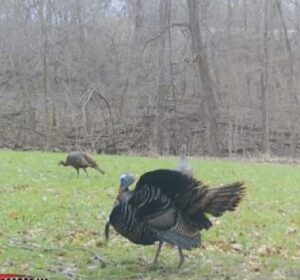

Turkey Hunting Tips for Spring: Scouting, Roosting, Calling, and Decoys
Every spring, hunters head back to green fields and hardwood ridges dressed in Realtree camo, chasing one of the most addictive hunts in the woods: the spring turkey “flop.” Turkey hunting is thrilling because it can go right-or fall apart fast. It’s challenging, fast-paced, and incredibly rewarding when you successfully call and decoy a longbeard into range.
From pre-season scouting to roosting a gobbler, dialing in turkey calling, and choosing the best decoys, this guide covers proven spring turkey hunting tips to help you tag a tom this season.
Why Spring Turkey Hunting Is So Addictive
Spring turkey hunting tests your skills as an outdoorsman. You’re not just sitting and waiting-you’re reading sign, working terrain, understanding turkey behavior, and communicating through calls. When you hear a gobble, then close the distance, then watch a tom strut into your setup…few hunting experiences compare.
Do you have what it takes to take a longbeard this turkey season?
Pre-Season Turkey Scouting Tips
The turkey itch starts early-sometimes as early as February. When it hits, don’t ignore it. Pre-season scouting is one of the best ways to improve your odds when opening day arrives.
Where to Scout for Turkeys in Late Winter
In late winter, you’re looking for the flock. Focus on food sources and travel routes, including:
- Mast-bearing hardwood flats (acorn-producing timber)
- Cut grain fields
- Pastures and open fields
- Field edges, logging roads, and ridge tops
Look for:
- Tracks
- Droppings
- Scratching
- Feather piles
“Set up some trail cameras in areas where you think they might be feeding.” -Nick Mundt
Trail cameras help confirm patterns and show you where flocks are spending time. Later, as spring progresses, shift your focus toward locating gobblers and identifying roost areas.
Scout on Rainy Days
Rainy days can be excellent for scouting, especially for Eastern turkeys.
“Rainy days mean they like to come out in the fields…that’s a good time to cruise around and find groups of turkeys.” -Nick Mundt
Roosting a Gobbler: The Easiest Spring Setup
One of the most effective spring turkey hunting strategies is roosting a gobbler the evening before your hunt. If you know where he slept, you can set up close and be in position at first light.
How to Find a Turkey Roost
Use your scouting notes to narrow down the area, then quietly slip in near dusk.
Listen for:
- Wing beats as turkeys fly up
- Soft tree yelps and clucks
Use a locator call:
- Owl hooter
- Crow call
“Since there’s no leaves on the trees…you can cover ground at dark and see them in the trees and hear where they’re roosting.” -Nick Mundt
Morning Setup Near the Roost
Get in early and set up in the dark without using a bright light. Once the tom starts talking on the limb, call softly. Let him believe there’s a hen nearby.
If calling isn’t your strength, try this positioning strategy:
“Find the hen group closest to that roost, place yourself between the tom and the hen group, and be patient-he will come.” -Nick Mundt
Bowhunting Turkeys: How to Get Permission and Get It Done
If you’re trying to gain access to new land, bowhunting can help. Many landowners are more comfortable allowing turkey hunting with a bow or crossbow than a shotgun.
Do You Need a Blind for Bowhunting Turkeys?
Most of the time, yes. A blind helps hide movement while you draw and aim. With a bow, turkeys often need to be very close for a clean shot.
“Set your decoys no more than 10 yards…especially in a blind, you can let the turkey come in close.” -Nick Mundt
Turkey Calling Tips: Sound Like a Lonely Hen
Calling is one of the most important skills in spring turkey hunting. Your goal is to sound like an eager, lonely hen that a gobbler wants to meet.
“Sweet, yearning, seductive sounds of a very excited, lonesome hen turkey…that is what we are trying to achieve.” -Michael Waddell
Best Turkey Calls for Beginners
If you’re new to calling, start with options that are easier to learn than diaphragms:
- Pot calls (glass/slate)
- Box calls
- Save diaphragm calls for later once your calling improves
Once you pick your call, practice consistent yelps, clucks, and purrs until they sound natural.
Best Turkey Decoys for Spring Hunting
Decoys help close the final distance. Pairing calls with a decoy setup makes a tom believe the hen (or rival) is real.
Jake vs Strutter vs Hen Decoys
Different decoys create different reactions:
“A jake decoy often makes a turkey strut in with slow movements…a strutter decoy can make them come in on edge.” -Nick Mundt
Nick also suggests adding realism:
“Zip-tie turkey wings to the side of a decoy…it adds dimension and realism.” -Nick Mundt
If you want the simplest, most consistent option:
- A single hen decoy is hard to beat.
Turkey Hunting Out of State: More Tags, More Birds, More Fun
Don’t limit your season to one state. Hunting different terrain and turkey subspecies makes you a better hunter-and can extend your season.
Nick Mundt recommends South Dakota:
- Liberal bag limits
- Black Hills + prairie options
- Opportunity for multiple subspecies (Rio, Merriam’s, Eastern)
- Good numbers with less pressure in many areas
Final Thoughts: Tag a Longbeard This Spring
Turkey hunting is a game of small decisions-scouting smarter, roosting birds, setting up properly, calling with purpose, and choosing the right decoy for the situation. Put in the work before the season, and your odds go way up when that first gobble echoes across the ridge.