
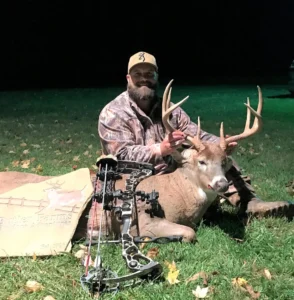

The Secret of the Rut: How to Hunt Whitetail Bucks During the Rut
The “secret of the rut” is not one special trick, call, scent, or piece of hunting equipment. Successful rut hunting comes down to one core principle: find or predict where the does will be, then hunt the travel routes mature bucks use to check those areas.
During the whitetail rut, bucks spend much of their time searching for receptive does and competing with other bucks. Understanding this behavior can help hunters choose better stand locations, hunt during the most productive times, and increase their chances of seeing a mature whitetail buck during daylight hours.
Follow the Does to Find Rutting Bucks
Doe movement is one of the most important factors in successful whitetail rut hunting. Mature bucks regularly travel downwind of doe bedding and feeding areas to scent-check for receptive does.
When scouting or choosing a hunting location, identify the areas where does feel secure. These may include thick bedding cover, crop fields, food plots, wooded edges, creek bottoms, and secluded feeding areas.
If you are not seeing does, you may also be less likely to see mature bucks during the rut. Bucks may travel long distances, but their movement is still heavily influenced by where groups of does are bedding, feeding, and traveling.
Understand the Different Phases of the Whitetail Rut
Rut hunting tactics should change as the breeding season progresses. A strategy that works during the pre-rut may not produce the same results during peak breeding or the post-rut.
Pre-Rut
During the pre-rut, bucks begin establishing dominance and checking scrapes more frequently. They may respond well to light rattling, grunt calls, mock scrapes, and other signs of competition.
This can be an excellent time to hunt travel corridors between buck bedding areas, doe bedding cover, and feeding locations.
Peak Rut and Lockdown
During peak breeding, mature bucks may spend long periods with individual does. This stage is often called lockdown because buck sightings can suddenly decrease, even though breeding activity is high.
During this phase, focus on doe bedding areas, thick security cover, and travel routes between bedding locations. Calling may be less effective, so patience and proper positioning become even more important.
Post-Rut
After the primary breeding period, bucks begin recovering from the physical demands of the rut. Food, security cover, and remaining receptive does become major priorities again.
During the post-rut, subtle calling and careful access may work better than aggressive rattling. Focus on late-season food sources, secluded cover, and routes connecting feeding and bedding areas.
The Best Places to Hunt During the Rut
Positioning often matters more than hunting gadgets. Even the best deer calls, scents, and decoys will have limited value if you are not hunting where bucks naturally travel.
Some of the most productive rut hunting locations include:
- Downwind edges of doe bedding areas
- Funnels between bedding and feeding locations
- Creek crossings and narrow travel corridors
- Thick-to-open habitat transitions
- Staging areas near crop fields and food plots
- Downwind sides of trails used by groups of does
- Terrain features that naturally concentrate deer movement
Mature bucks often travel just inside thick cover instead of walking directly on heavily used doe trails. Setting up downwind of the main travel route may allow you to intercept a buck as he scent-checks the area.
Timing Is Critical During the Whitetail Rut
The rut includes short periods when daylight buck movement can increase dramatically. A hunting area may appear inactive for several days and then suddenly produce significant movement as weather, breeding activity, and doe behavior align.
Hunters should pay attention to cold fronts, changes in wind direction, hunting pressure, and recent deer sightings. When the conditions are favorable, spending more time in the stand can make a major difference.
During the rut, all-day sits can be productive because bucks may travel between doe groups throughout the morning and afternoon. Midday movement is especially possible in areas with low hunting pressure and good security cover.
Use Calling, Scents, and Decoys as Supporting Tools
Deer calls, scents, and decoys can improve a rut hunting strategy, but they are not magic. These tools work best when you are already positioned near natural buck travel routes.
During the pre-rut, light rattling, grunt calls, and mock scrapes may attract curious or territorial bucks. Avoid calling too aggressively unless you know mature bucks are nearby and responsive.
During peak breeding and lockdown, focus more on doe locations and less on frequent calling. A mature buck that is already with a receptive doe may ignore calls or move away from unnecessary competition.
During the post-rut, return to a more subtle approach. Food sources and secure bedding cover become increasingly important as bucks recover and prepare for winter.
Hunt the Does, Travel Routes, and Right Rut Phase
The real secret to hunting the rut is understanding how doe movement, buck behavior, timing, wind direction, and terrain work together. Find the areas where does bed and feed, identify the routes bucks use to scent-check those locations, and adjust your tactics for each phase of the rut.
Calling, scents, rattling, and decoys can strengthen a good hunting setup, but they cannot replace careful scouting and smart positioning. When you hunt the right location at the right time, you improve your opportunity to encounter a mature whitetail buck during the most exciting part of the deer season.
Butler Farms Outdoor Adventures offers private-land whitetail deer hunting in Pike County, Illinois. Our working farm features crop fields, woodlands, pastures, creeks, natural springs, and low-pressure hunting areas that provide excellent habitat and travel routes for whitetail deer. Contact Butler Farms to learn more about planning a Pike County, Illinois whitetail hunting experience.