
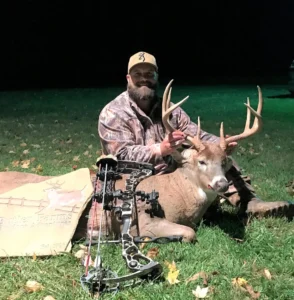

“The secret of the rut” isn’t one single trick-it’s shorthand for the core principle that makes rut hunting work:
Find (or predict) where the does will be, then hunt the travel routes bucks use to check them-at the right time of the rut.
Because during the rut, most mature bucks do two things over and over:
- Cruise downwind of doe bedding/feeding areas to scent-check for receptive does
- Respond to competition (other bucks) when they think a rival is in their zone
What “the secret” looks like in practice
- Rut phases matter. Tactics that crush in pre-rut (rattling, mock scrapes) don’t always work the same in lockdown (when bucks are with does).
- Doe movement drives buck movement. If you’re not seeing does, you’re usually not going to see rutting bucks either.
- Positioning beats gadgets. The best rut sits are typically:
- Downwind edges of doe bedding
- Funnels between bedding and feeding
- Thick-to-open transitions and “staging” cover
- Downwind sides of travel corridors (where bucks scent-check)
- Timing beats all. The rut has short windows where daylight movement spikes. If you sit the wrong week (or the wrong 3 days), it can feel “dead” even in a great area.
- Calling/scents/decoys are multipliers, not magic. They work best when you’re already in the right place:
- Pre-rut: light rattling, grunts, scrapes can shine
- Peak/lockdown: less calling; focus on doe areas and patience
- Post-rut: subtlety-food and security cover matter again