
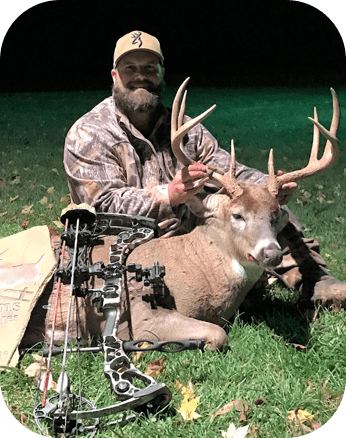
The right preparation can make a cold November morning in the deer woods much more enjoyable.
There is something special about late-fall whitetail hunting in Pike County, Illinois.
The countryside begins to take on a different appearance as autumn progresses. Hardwood trees gradually lose their leaves, agricultural fields transition toward winter, and cooler conditions become part of the hunting experience.
For dedicated bowhunters, this is an exciting time to be outdoors.
However, changing weather conditions also make proper preparation especially important.
At Butler Farms Outdoor Adventures, we believe a successful DIY hunting experience begins with planning, understanding your equipment, and being ready to adapt.
Whether you’re preparing for your first Illinois whitetail hunt or returning for another adventure, these practical tips can help you stay comfortable, organized, and focused.
1. Dress in Layers, Not Just Heavy Clothing
One of the most important considerations for late-fall deer hunting is choosing clothing that works with changing conditions.
The clothing that feels comfortable while walking to your hunting location may not provide enough warmth when you’re sitting still for several hours.
A practical layering system begins with three components.
Base layer: Choose moisture-wicking materials such as merino wool or suitable synthetic fabrics. These help move moisture away from your skin.
Insulating layer: Fleece, wool, or other insulating materials help retain body heat during periods of inactivity.
Outer layer: A wind-resistant, weather-appropriate jacket and pants help protect against changing conditions.
Avoid relying on cotton as your primary cold-weather base layer. Cotton retains moisture and can leave you uncomfortable when temperatures drop.
The National Weather Service recommends wearing layers and keeping clothing dry to reduce the risk of cold-related illness.
For hunters, the goal is simple: stay comfortable while moving without becoming chilled when you stop.
2. Keep Your Feet and Hands Comfortable
Cold feet can make even a promising hunting location difficult to enjoy.
Before traveling, inspect your hunting boots and make sure they are appropriate for the expected conditions.
Water-resistant or waterproof footwear can be especially useful when navigating damp ground, wet leaves, or muddy access routes.
Choose socks designed to manage moisture, and avoid wearing so many layers that your boots become uncomfortably tight.
Your hands deserve similar attention.
Bowhunters need to maintain enough dexterity to operate their equipment safely.
Consider carrying a lightweight pair of gloves for handling equipment and a warmer pair for periods of inactivity.
A spare pair of dry socks and gloves can also be valuable when conditions change unexpectedly.
3. Prepare for Wind, Rain, and Changing Temperatures
Late-fall weather is not always predictable.
A morning that begins with calm conditions can develop increasing winds, precipitation, or noticeable temperature changes.
Before heading into the woods, review a reliable local weather forecast.
Pay particular attention to wind direction, precipitation, temperature changes, and any weather alerts.
Wind can influence both your comfort and your choice of hunting location.
When selecting clothing, consider how the material performs in wet weather and whether the outer layers create unnecessary noise when moving.
Pack rain protection when conditions warrant it, and keep essential items protected from moisture.
Remember that remaining dry is about more than comfort.
Prolonged exposure to cold, wet conditions can increase the risk of hypothermia.
If severe weather develops, prioritize safety rather than trying to remain in the woods at all costs.
4. Organize Your Hunting Pack Before Arriving
An organized hunting pack can save time and eliminate unnecessary distractions.
Before leaving home, lay out your equipment and confirm that everything is functioning properly.
Some items worth considering include:
- Headlamp or flashlight with spare batteries
- Fully charged phone and portable power bank
- Offline maps, compass, or suitable navigation equipment
- Drinking water and snacks
- Extra gloves, socks, and weather protection
- Basic first-aid supplies
- Required hunting documents
- Personal emergency supplies
Keep frequently used equipment in accessible compartments.
For items that must remain dry, consider waterproof storage pouches.
A well-organized pack allows you to concentrate on your surroundings instead of searching for something you forgot to prepare.
5. Inspect Your Bow and Stand Equipment
Equipment preparation is particularly important for DIY hunters.
At Butler Farms Outdoor Adventures, whitetail deer hunters furnish and position their own hunting stands and blinds within the property’s guidelines.
That independence allows hunters to customize their setups, but it also makes equipment inspection essential.
Before traveling, inspect your bow, arrows, accessories, and other equipment according to the manufacturer’s recommendations.
Check tree stands, climbing equipment, straps, and safety systems for wear or damage.
When using an elevated stand, wear a properly fitted full-body fall-arrest harness and use the appropriate attachment system according to the manufacturer’s instructions.
The Illinois Department of Natural Resources emphasizes tree-stand safety and recommends inspecting equipment before every use.
Always have a safe way to enter and exit your hunting location, and make sure someone knows where you plan to hunt and when you expect to return.
No hunting opportunity is worth compromising your safety.
6. Prepare for the Entire Hunting Experience
Packing for a hunting trip involves more than preparing for time in the woods.
Think about what you’ll need before and after each hunt.
Bring comfortable clothing for relaxing after a day outdoors, along with appropriate footwear and personal necessities.
Consider how you’ll dry and organize your equipment between outings.
Our working farm features agricultural fields, woodlands, pastures, creeks, and natural springs.
These surroundings create an enjoyable environment for hunters who appreciate the outdoors and the freedom to develop their own hunting strategies.
A little additional preparation can help you spend less time dealing with equipment problems and more time enjoying your visit.
Enjoy the Experience, Whatever the Weather
Some of the most memorable moments outdoors happen when you least expect them.
It might be watching the sun rise over an Illinois field, hearing wildlife move through fallen leaves, or simply enjoying the quiet of the woods.
At Butler Farms Outdoor Adventures, we believe those experiences are an important part of what makes hunting special.
Our family has lived and worked in the Pike County countryside for more than 60 years, and we’ve welcomed hunters since 1996.
We take pride in offering a traditional, family-oriented outdoor experience where hunters can appreciate the land, enjoy their independence, and make lasting memories.
Late-fall hunting requires patience, preparation, and an appreciation for changing conditions.
With the right clothing, dependable equipment, and a thoughtful plan, you’ll be better prepared to enjoy your time in the Illinois countryside.
Plan Your Next DIY Whitetail Hunting Adventure
Interested in experiencing private-land whitetail deer hunting in Pike County, Illinois?
Butler Farms Outdoor Adventures offers self-guided bowhunting opportunities with lodging arrangements designed around the hunting experience.
Contact us to learn more about our hunting packages, property information, and future opportunities.
Butler Farms Outdoor Adventures
Pike County, Illinois
Phone: (217) 723-4451
Contact Butler Farms Outdoor Adventures
Where hunting is still a sport.